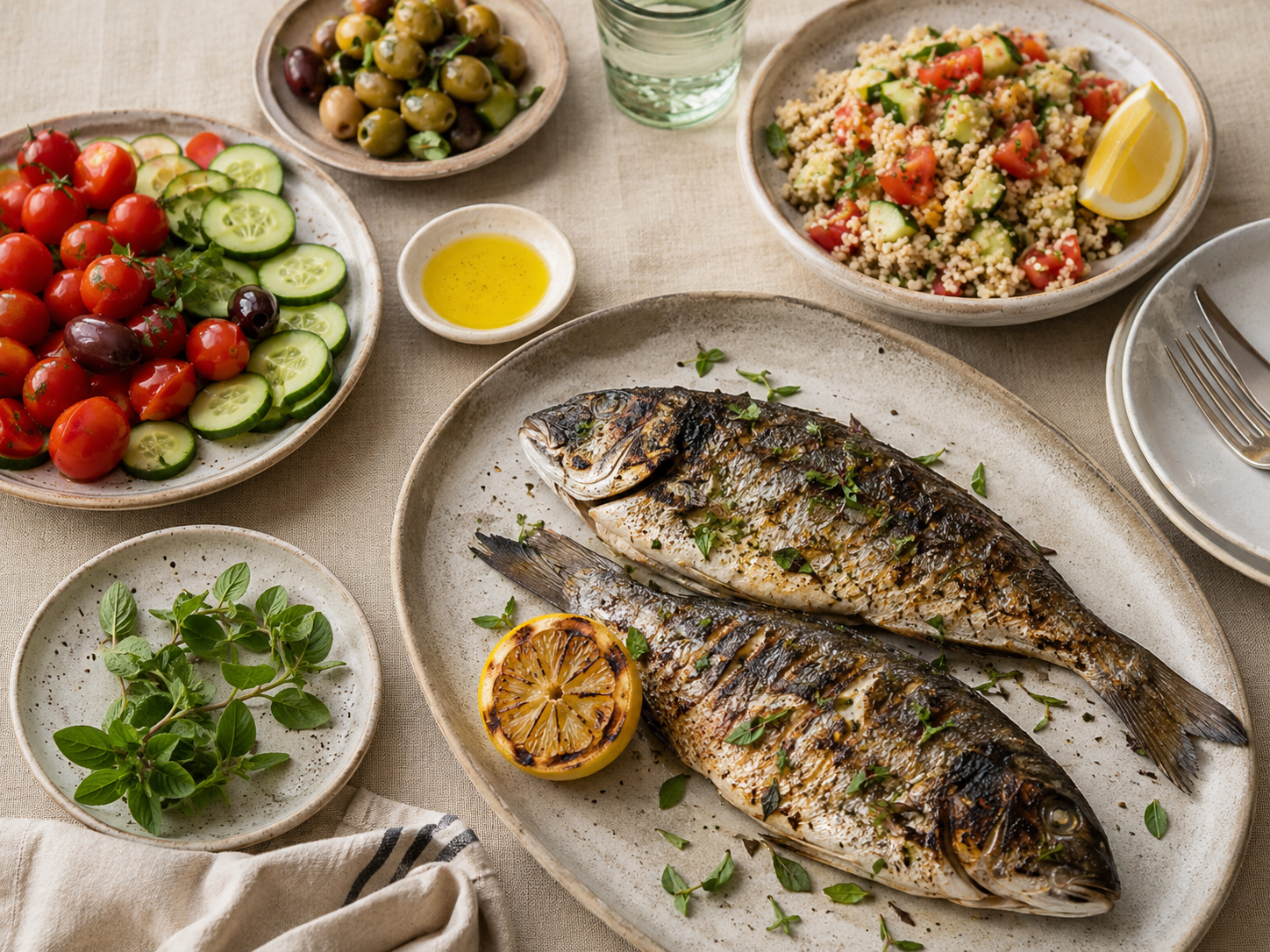
Diet plays an essential role in maintaining health throughout life. While it cannot prevent ageing, it can help preserve cellular function, reduce chronic inflammation and lower the risk of many age-related diseases.
Studies from regions with particularly high life expectancy show that a predominantly plant-based diet is associated with healthier ageing. The Mediterranean diet is a well-known example.
The principles of a longevity-friendly diet
Day to day, it is advisable to favour vegetables and fruit, rich in antioxidants and fibre, legumes and whole grains, good-quality protein from plants or fish, and healthy fats — olive oil, nuts, and fish rich in omega-3.
Conversely, excessive consumption of ultra-processed foods, added sugars and trans fats promotes inflammatory processes and can accelerate metabolic ageing.
The goal is not only to live longer, but to age in the best possible conditions.
Meal timing matters too
Beyond what is on the plate, when meals are eaten also appears to influence metabolic health. In some people, extended overnight fasting or eating within a defined time window can improve insulin sensitivity and support the body's natural cell-repair mechanisms. These approaches must, however, be adapted to each individual medical situation.
Nutrition is one of the pillars of preventive medicine. Together with regular physical activity, good sleep and effective stress management, it helps preserve health and independence with advancing age.
This article is for general information and does not replace an individual medical consultation.