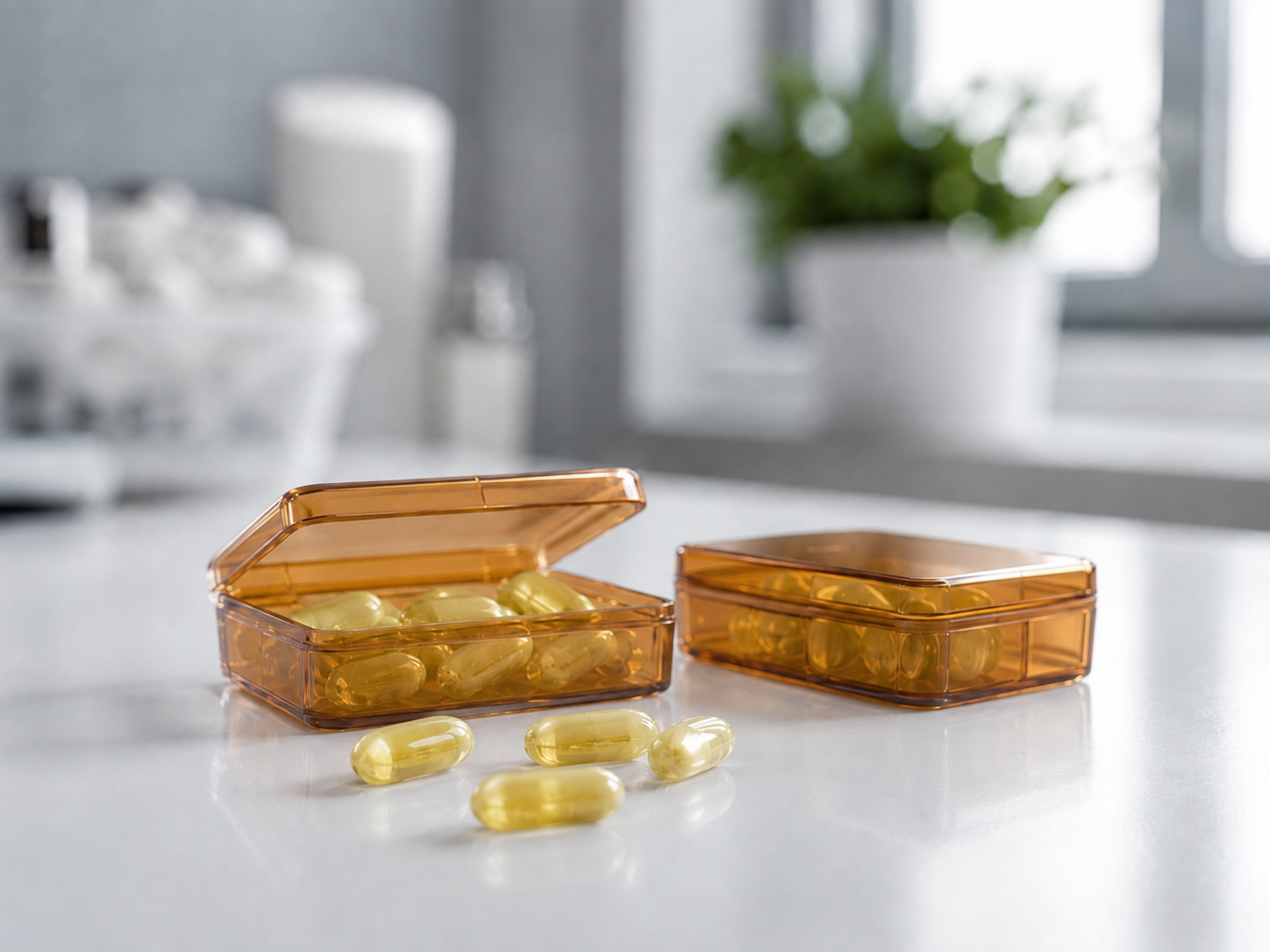
The word “natural” is reassuring. In hormone medicine, it is also a source of confusion. Understanding what “bio-identical” actually means changes how you approach menopause — and leads to better treatment.
The question comes up almost every week in consultation: “Is it natural, doctor?” Behind it lies a legitimate concern, shaped by decades of contradictory messaging about hormones. But “natural” and “bio-identical” do not mean the same thing — and the difference has concrete consequences.
What “bio-identical” actually means
A bio-identical hormone has exactly the same molecular structure as the one your body produces. Bio-identical estradiol is atom for atom identical to the estradiol your ovaries released. Your body draws no distinction: it recognises it, uses it and metabolises it as its own.
“Natural”, by contrast, describes an origin — a plant, for instance — but says nothing about the final structure. Many plant molecules are not bio-identical to human ones; conversely, a bio-identical hormone may be derived in a laboratory from yam or soy. What matters is not where it comes from, but what it is inside the body.
What matters is not where the molecule comes from, but its structure inside the body.
Why the difference is clinical, not marketing
The synthetic hormones found in some pills and older replacement therapies have a deliberately altered structure. That alteration changes their behaviour: duration of action, effect on coagulation, on breast tissue, on mood. A bio-identical molecule, correctly dosed and monitored, stays closer to the original physiology — and that is measurable.
This does not make “bio-identical” a magic word. A bio-identical hormone dosed incorrectly, prescribed without blood work and without follow-up, remains poor treatment. The molecular structure is one necessary condition — the rigour of the protocol is another.
The right question, then, is not “Is it natural?” but “Is it identical to what my body produced — and is it dosed for me?”. A serious protocol answers both.
This article is for general information and does not replace an individual medical consultation.